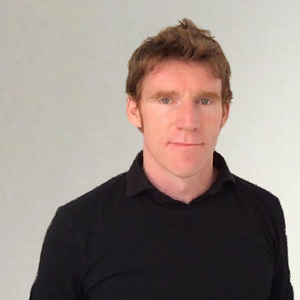
Ian O'Malley
$25/hr
Copy writing. Content creation. Development editing.
- Reply rate:
- -
- Availability:
- Hourly ($/hour)
- Age:
- 45 years old
- Location:
- Dublin, Dublin, Ireland
- Experience:
- 11 years
Cultural Document
STATUES WALKING TOUR: O’CONNELL STREET &
LOWER LIFFEY RIVER - Worksheet
GALWAY LANGUAGE
IRISH CULTURE
BOOK
CENTRE
DCI’S WALKING
STATUES TOUR
OFO’CONNELL
DUBLIN - PART
1:
STATUES
TOUR:
STREET
&
O’CONNELL
& THE RIVER
LOWER LIFFEY
RIVERSTREET
- Worksheet
IRISH
CULTURE
BOOK
RISH Cultural
ULTURE
OOK
Dublin
Institute
CENTRE
GALWAY LANGUAGE
Starting at O’Connell Bridge:
Statue 1 – DANIEL O’CONNELL: How many bullet holes can you count on the statue?
(Where do you think the bullet holes come from?)
Walk up O’Connell Street. This is one of Dublin’s most famous streets. (You will see
the ongoing LUAS works to link both sides of the city.) You will pass by the statues
of William Smith O’Brien, an Irish rebel against the English, and Sir John Gray, a
famous business leader.
Statue 2 – JAMES LARKIN, Trade Union Leader of the 20th Century: Why does Larkin say that the
‘great’ (powerful people or organisations) seem great? YOU MUST GET A PICTURE AT THIS STATUE.
Statue 3 – CÚCHULAINN: Why did Cúchulainn ‘tie himself to a pillar’? (The statue of this legendary
hero is a tribute to the leaders of 1916. Why is it here do you think?)
Statue/Monument 4 – THE SPIRE: How tall is the Spire in metres? (The original monument here
was Admiral Nelson’s Column. This was blown up by a bomb, by the IRA, in 1966. Why do you
think they blew up this statue?)
Statue 5 – CHARLES STUART PARNELL ‘The Uncrowned King of Ireland’: Write
down the names of the four provinces of Ireland on the statue below Parnell.
Name 5 of the 32 counties of Ireland.
*Optional: Statue 5b – CHILDREN OF LIR (Garden of Remembrance): What animals
are the children turning into in the statue of this Irish legend?
You will also see beside the Garden of Remembrance, the Dublin Writers Museum and the Hugh Lane
Gallery. Walk back down O’Connell Street on the left-hand side. You will pass by the Gresham Hotel,
famous for afternoon tea.
Statue 6 – JAMES JOYCE, writer: What is Joyce holding in his hand? YOU MUST GET A PICTURE AT
THIS STATUE.
Turn left down Lower Abbey Street. Towards the end of the street you will see the Irish Life building.
Statue 7 – CHARIOT OF LIFE: What animals are pulling the chariot? (The local name for this statue
is ‘The Mad Milkman’. Why do you think it’s called this?)
At the junction, turn right towards the river. On your left, you will see the Connolly
statue.
Statue 8 – JAMES CONNOLLY, leader in 1916 and trade union leader: What does
he say is the ‘cause of Ireland’? (What do you think he means?)
DCI’S WALKING
STATUES TOUR
OFO’CONNELL
DUBLIN - PART
1:
STATUES
TOUR:
STREET
&
O’CONNELL
& THE RIVER
LOWER LIFFEY
RIVERSTREET
- Worksheet
GALWAY LANGUAGE
IRISH
CULTURE
BOOK
RISH Cultural
ULTURE
OOK
Dublin
Institute
CENTRE
Walk along the river past the Customs House. (What do you think this building was used for?) Behind
the Customs House you will see the central national bus station Busaurus and one of the main national
train stations, named after Connolly. Along the river, you will see the IFSC, the modern commercial
heart of Dublin. All this area gives a good idea of the mix of old and new in how the city has developed.
Statue 9 – FAMINE STATUES: How many people can you see? (What do you think
the statues represent?)
Looking further down the river you will also see the famine ship, the Jeanie Johnston
and the Epic museum (to your left). Looking further again will lead you to the 3
Arena, where large concerts take place, Dublin harbour and finally to the Irish Sea.
Cross over the river on the ‘Sean O’Casey’ pedestrian bridge. Look to your left, the next bridge is
the ‘Samuel Beckett’ bridge. What do you think O’Casey and Beckett were both famous for? (We
have a lot of famous ones in Ireland.)
Statue 10 – MERCHANT NAVY: What is the ‘anchor’ in the statue normally used for? Who does the
statue commemorate?
If there are any Argentinian students in the group, you might want to turn left to
see the statue of Admiral William Brown.
*Optional: Statue 10b – ADMIRAL WILLIAM BROWN: Why was this Irishman famous
in Argentina?
If you don’t go to the Admiral Brown statue, turn right after you cross the bridge.
Statue 11 – THE LINESMAN: When was it erected? YOU MUST GET A PICTURE AT
THIS STATUE.
Statues 12 – CUSTOMS HOUSE: Look back over the river towards the Customs House. How many
statues can you see on top of the building? (What do you think the lion and the unicorn represent?)
Statue 13 – COUNTESS MARKIEWICZ, revolutionary/suffragette: What animal does
she have with her? YOU MUST GET A PICTURE AT THIS STATUE.
Turn back towards Trinity College and follow around the outside of the college
towards the main entrance.
Statue 14 – TRINITY COLLEGE: Get the names of at least three statues at/near
the entrance to Trinity College. (There are three writers and one politician.)
Walk down Dame Street.
Statue 15 – THOMAS DAVIS, revolutionary: How many angels are there around the water feature?
(They are blowing trumpets to call the provinces of Ireland.)
Turn left. And finally…
Statue 16 – MOLLY MALONE… probably Dublin’s most famous statue: What is Molly Malone selling?
YOU MUST GET A PICTURE AT THIS STATUE.
DCI’S WALKING
STATUES TOUR
OFO’CONNELL
DUBLIN - PART
1:
STATUES
TOUR:
STREET
&
O’CONNELL
& THE RIVER
LOWER LIFFEY
RIVERSTREET
- Worksheet
GALWAY LANGUAGE
IRISH
CULTURE
BOOK
RISH Cultural
ULTURE
OOK
Dublin
Institute
CENTRE